

Physiotherapy Techniques for Pain Relief and Better Quality of Life
In today’s fast-paced world, pain has become a common complaint for many people, affecting everything from their physical well-being to mental health. For individuals struggling with chronic pain or recovering from an injury, physiotherapy can offer a lifeline to improved mobility, reduced discomfort, and a better quality of life. One of the best aspects of physiotherapy is that it doesn’t always require a clinic visit—many pain-relief techniques can be effectively practiced at home.
In this article, we’ll explore how physiotherapy helps with pain relief, covering at-home techniques you can start using to manage pain and enhance your daily life.
1. Understanding the Role of Physiotherapy in Pain Relief
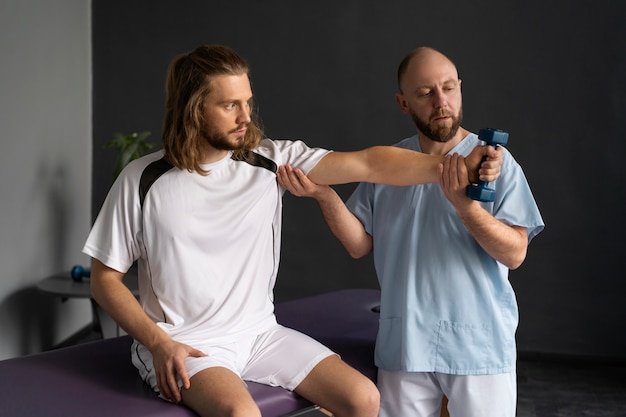
Physiotherapy is a medical discipline focused on restoring movement, function, and overall physical health. Physiotherapists use a range of techniques, from hands-on manual therapy to guided exercises, to target areas of pain and stiffness. For those dealing with chronic pain or recovering from surgery, physiotherapy offers a structured path to healing.
When applied consistently, physiotherapy can relieve pain by strengthening muscles, improving joint flexibility, and reducing inflammation. Each approach is tailored to the patient’s specific needs, whether it’s to reduce back pain, joint discomfort, or post-injury soreness. Additionally, physiotherapy’s principles and exercises can be applied at home, allowing patients to manage pain within the comfort of their space.
2. Common Types of Pain Physiotherapy Can Help Alleviate
Physiotherapy is versatile, helping people with various pain types:
- Chronic Back Pain: Physiotherapy can help ease back pain by focusing on core strengthening and posture correction.
- Joint Pain and Arthritis: Through mobility exercises and muscle strengthening, physiotherapy can improve range of motion and decrease joint stiffness.
- Neck and Shoulder Pain: Desk jobs and prolonged screen time lead to neck and shoulder strain. Physiotherapy offers stretching and alignment techniques for relief.
- Sports Injuries: From sprains to overuse injuries, physiotherapy provides recovery plans that help prevent future injuries.
- Post-Surgery Pain: After surgery, pain and stiffness can impede recovery. Physiotherapy aids in healing through gradual mobility and muscle activation.
3. Physiotherapy Techniques for Pain Relief You Can Practice at Home
A significant advantage of physiotherapy is that it incorporates exercises and techniques that can be done at home. Here’s a look at some effective methods:
a. Stretching Exercises
Stretching is essential to relieve muscle tightness and improve flexibility. It’s particularly helpful for individuals who experience stiffness from prolonged sitting or physical inactivity.
- Hamstring Stretch: Lie on your back, lift one leg, and gently pull it toward you using a strap or towel to stretch the hamstring. This is great for lower back pain relief.
- Child’s Pose: A yoga-based stretch where you sit back on your heels, stretch your arms forward and lower your torso. It stretches the spine, reduces tension, and promotes relaxation.
Regular stretching can reduce pain caused by tight muscles and improve overall mobility.
b. Strengthening Exercises
Strengthening weak muscles can help relieve pain by reducing the load on overworked joints and muscles. Here are a couple of strengthening exercises:
- Bridges: Lie on your back with knees bent and feet flat on the floor. Lift your hips to form a straight line from shoulders to knees. Bridges help to strengthen glutes and core muscles, which is particularly useful for back pain.
- Clamshells: Lie on your side with knees bent at a 45-degree angle. Keep your feet together and lift the top knee while keeping your hips still. This exercise strengthens hip muscles, which can relieve lower back pain.
Strengthening core muscles, glutes, and thighs support joint stability, reducing pain in weight-bearing areas.
c. Posture Training
Poor posture is often a major contributor to pain, especially in the back, neck, and shoulders. Physiotherapists work on postural correction to relieve tension and reduce strain on muscles and joints.
- Wall Angels: Stand with your back against a wall, keeping arms at a 90-degree angle and moving them up and down as if making a snow angel. This exercise strengthens the upper back and shoulders, encouraging better posture.
- Seated Posture Check: Sit with feet flat, shoulders relaxed, and spine neutral. Adjust your sitting posture by avoiding slouching and taking frequent breaks if seated for long periods.
Practicing good posture can alleviate chronic pain linked to improper alignment and strain.
4. Manual Therapy Techniques
Although manual therapy is typically performed by a physiotherapist, some techniques can be adapted for home use to relieve pain and tension:
- Self-Massage: Use a foam roller or a tennis ball to massage sore muscles. Foam rolling works well for larger muscles, like the thighs and back, while a tennis ball can help relieve tightness in the shoulders and neck.
- Trigger Point Release: This involves applying pressure to painful knots in muscles to release tension. Gently press on the sore spot using a thumb or a ball, hold for 20-30 seconds, and release. This method can help reduce pain from muscle tightness and spasms.
Manual therapy at home can offer immediate relief, though it’s wise to consult a physiotherapist initially to learn safe techniques.
5. Pain Relief through Breathing Exercises and Relaxation Techniques
Pain can be exacerbated by stress and tension, which is where breathing exercises and relaxation techniques come in. Controlled breathing helps regulate the nervous system, promoting relaxation and pain relief.
- Deep Breathing: Lie down, place one hand on your chest and the other on your stomach. Take a slow, deep breath through the nose, feeling the stomach rise, then exhale slowly. Deep breathing activates the body’s relaxation response, reducing pain perception.
- Progressive Muscle Relaxation: Tense and relax each muscle group, starting from your toes up to your head. This technique helps relieve tension that can accumulate due to pain or stress.
These exercises not only reduce physical pain but also improve mental resilience in handling chronic discomfort.
6. Ice and Heat Therapy
Ice and heat therapy are simple yet effective techniques you can use at home. Physiotherapists often recommend these for pain relief and to manage swelling.
- Ice Therapy: Use an ice pack for acute pain or swelling, especially after an injury. Apply for 15-20 minutes on the affected area to numb pain and reduce inflammation.
- Heat Therapy: Heat works well for chronic pain, like muscle stiffness or arthritis. Use a warm compress for about 15 minutes to soothe and relax muscles.
Alternating between heat and ice can also help stimulate blood flow and accelerate healing in some cases.
7. Establishing a Daily Pain-Relief Routine
Consistency is key when using physiotherapy techniques at home. Set aside 15-20 minutes each day to perform stretches, strengthening exercises, and posture checks. Establishing a daily routine will lead to more lasting pain relief and prevent new discomfort from developing.
Consider keeping a pain diary to track improvements, noting which exercises or techniques provide the most relief. A structured approach helps identify what works best and ensures accountability.
8. The Benefits of Guided Home-Based Physiotherapy
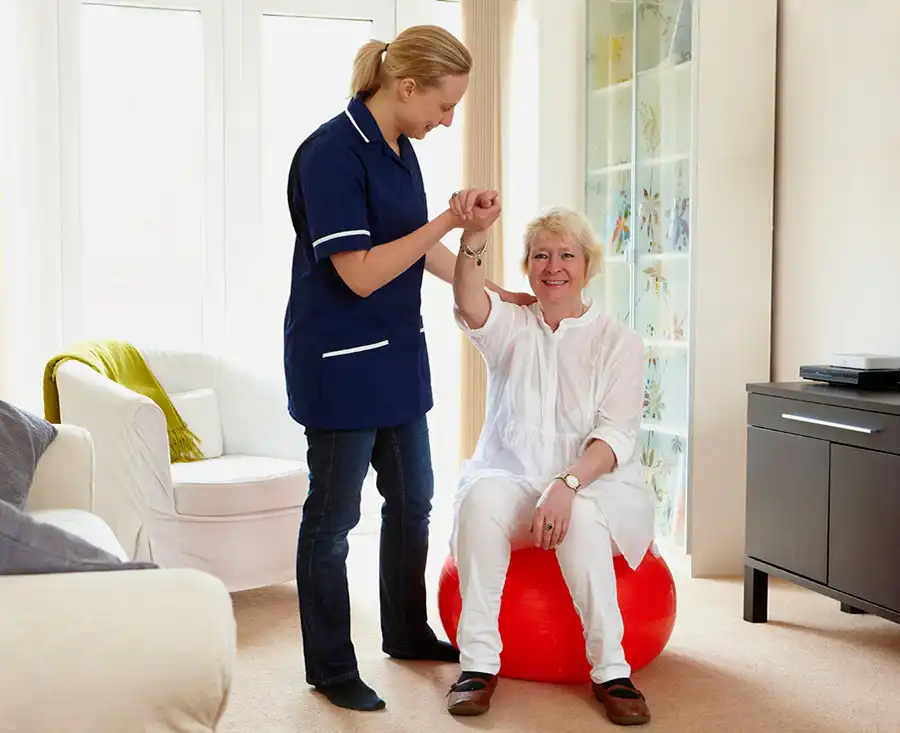
Although many techniques can be done independently, guided physiotherapy through virtual sessions or home visits offers professional oversight. A qualified physiotherapist can assess your needs, guide you on proper techniques, and adjust exercises as you progress.
With MuscatPhysioCare, you can receive professional guidance from the comfort of home, especially beneficial if you’re recovering from surgery, have limited mobility, or need personalized pain management strategies.
9. Final Thoughts on Pain Relief and Physiotherapy at Home
Physiotherapy empowers individuals to take control of their pain and improve their quality of life. From stretching and strengthening exercises to relaxation techniques and heat therapy, there are numerous methods you can incorporate at home.
Remember, if you’re new to physiotherapy or dealing with chronic pain, it’s best to consult a qualified physiotherapist before beginning a new regimen. At MuscatPhysioCare, we’re dedicated to providing you with tailored, home-based physiotherapy solutions, ensuring you receive the support you need to lead a pain-free life.
Take that first step towards pain relief and experience the difference that physiotherapy can make!